


 5.0 (25)★ Top Pick

56 verified psychologists · sessions from ₹499
Talk to a verified psychologist
online, anywhere in India.
For anxiety, stress, low mood or relationships — in Hindi, English and more, by video or at our Noida centre.
- 5.0 on Google (183 reviews)
- 5,100+ sessions
- 100% confidential
From ₹1,200Deepak KumarCounselling Psychologist5.0 (25)6-10 yrs From ₹700Aangee shahClinical Psychologist5.0 (1)3-5 yrs
 From ₹700Disha VanvaniCounselling Psychologist5.0 (2)1-2 yrs
 From ₹500Rashi JainCounselling Psychologist5.0 (1)3-5 yrs
 From ₹750Aditi SharmaCounselling Psychologist5.0 (5)1-2 yrs
 From ₹2,000Fabiha Sultana ShaikCounselling Psychologist5.0 (2)6-10 yrs
 From ₹1,000PRAGYA MISHRACounselling Psychologist5.0 (1)6-10 yrs
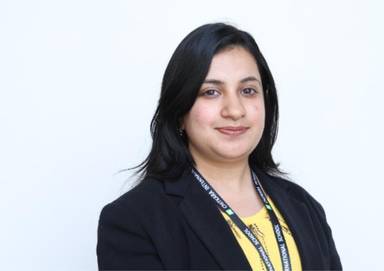 From ₹800Mannat KunraCounselling Psychologist5.0 (1)1-2 yrs
 From ₹1,400Himanshi SharmaCounselling Psychologist5.0 (20)3-5 yrs
 From ₹500Supriya SCounselling Psychologist5.0 (1)3-5 yrsFrom ₹1,200
Deepak Kumar
Counselling Psychologist
5.0(25)6-10 yrs
Stress ManagementAnxietyDepressionSelf EsteemTime ManagementWork Life BalanceBurnoutLife TransitionsGrief And LossAnger ManagementMotivationCognitive Behavioural Therapy (CBT)Humanistic TherapyMindfulness-Based TherapySolution-Focused Brief Therapy (SFBT)Acceptance and Commitment Therapy (ACT)Group TherapyNarrative TherapyDivorce and SeparationMarital CounsellingFamily TherapyParent-Child RelationshipCouples CounsellingConflict ResolutionCommunication IssuesTrust IssuesIntimacy IssuesPre-Marital CounsellingArt TherapyPlay TherapyObsessive-Compulsive Disorder (OCD)Generalized Anxiety Disorder (GAD)Psychodynamic TherapyInterpersonal Therapy (IPT)
Stress ManagementAnxietyDepressionSelf EsteemTime ManagementWork Life BalanceBurnoutLife TransitionsGrief And LossAnger ManagementMotivationCognitive Behavioural Therapy (CBT)Humanistic TherapyMindfulness-Based TherapySolution-Focused Brief Therapy (SFBT)Acceptance and Commitment Therapy (ACT)Group TherapyNarrative TherapyDivorce and SeparationMarital CounsellingFamily TherapyParent-Child RelationshipCouples CounsellingConflict ResolutionCommunication IssuesTrust IssuesIntimacy IssuesPre-Marital CounsellingArt TherapyPlay TherapyObsessive-Compulsive Disorder (OCD)Generalized Anxiety Disorder (GAD)Psychodynamic TherapyInterpersonal Therapy (IPT)
HindiEnglish
From ₹2,000Fabiha Sultana Shaik
Counselling Psychologist
5.0(2)6-10 yrs
Stress ManagementAnxietyDepressionSelf EsteemTime ManagementWork Life BalanceBurnoutLife TransitionsGrief And LossAnger ManagementMotivationCognitive Behavioural Therapy (CBT)Psychodynamic TherapyHumanistic TherapyMindfulness-Based TherapySolution-Focused Brief Therapy (SFBT)Group TherapyPlay TherapyArt TherapyIntimacy IssuesTrust IssuesCommunication IssuesConflict ResolutionDivorce and SeparationCouples CounsellingFamily TherapyParent-Child RelationshipMarital Counselling
Stress ManagementAnxietyDepressionSelf EsteemTime ManagementWork Life BalanceBurnoutLife TransitionsGrief And LossAnger ManagementMotivationCognitive Behavioural Therapy (CBT)Psychodynamic TherapyHumanistic TherapyMindfulness-Based TherapySolution-Focused Brief Therapy (SFBT)Group TherapyPlay TherapyArt TherapyIntimacy IssuesTrust IssuesCommunication IssuesConflict ResolutionDivorce and SeparationCouples CounsellingFamily TherapyParent-Child RelationshipMarital Counselling
HindiEnglish
From ₹700Aangee shah
Clinical Psychologist
5.0(1)3-5 yrs
Stress ManagementAnxietyDepressionSelf EsteemTime ManagementWork Life BalanceGrief And LossAnger ManagementMotivationGeneralized Anxiety Disorder (GAD)Major Depressive Disorder (MDD)Obsessive-Compulsive Disorder (OCD)Post-Traumatic Stress Disorder (PTSD)Bipolar DisorderPersonality DisordersEating DisordersMarital CounsellingFamily TherapyParent-Child RelationshipDivorce and SeparationCouples CounsellingCommunication IssuesConflict ResolutionTrust IssuesPre-Marital CounsellingIntimacy IssuesCognitive Behavioural Therapy (CBT)Dialectical Behavioural Therapy (DBT)Mindfulness-Based TherapySolution-Focused Brief Therapy (SFBT)Acceptance and Commitment Therapy (ACT)Eye Movement Desensitization and Reprocessing (EMDR)Art TherapyGroup TherapyInterpersonal Therapy (IPT)
Stress ManagementAnxietyDepressionSelf EsteemTime ManagementWork Life BalanceGrief And LossAnger ManagementMotivationGeneralized Anxiety Disorder (GAD)Major Depressive Disorder (MDD)Obsessive-Compulsive Disorder (OCD)Post-Traumatic Stress Disorder (PTSD)Bipolar DisorderPersonality DisordersEating DisordersMarital CounsellingFamily TherapyParent-Child RelationshipDivorce and SeparationCouples CounsellingCommunication IssuesConflict ResolutionTrust IssuesPre-Marital CounsellingIntimacy IssuesCognitive Behavioural Therapy (CBT)Dialectical Behavioural Therapy (DBT)Mindfulness-Based TherapySolution-Focused Brief Therapy (SFBT)Acceptance and Commitment Therapy (ACT)Eye Movement Desensitization and Reprocessing (EMDR)Art TherapyGroup TherapyInterpersonal Therapy (IPT)
HindiGujarati
ViewBook Aangee shah
From ₹1,000PRAGYA MISHRA
Counselling Psychologist
5.0(1)6-10 yrs
Stress ManagementAnxietyDepressionSelf EsteemTime ManagementWork Life BalanceBurnoutLife TransitionsGrief And LossAnger ManagementMotivationCognitive Behavioural Therapy (CBT)Psychodynamic TherapyHumanistic TherapyMindfulness-Based TherapyMarital CounsellingFamily TherapyParent-Child RelationshipCouples CounsellingDivorce and SeparationConflict ResolutionCommunication IssuesTrust IssuesIntimacy IssuesPre-Marital Counselling
Stress ManagementAnxietyDepressionSelf EsteemTime ManagementWork Life BalanceBurnoutLife TransitionsGrief And LossAnger ManagementMotivationCognitive Behavioural Therapy (CBT)Psychodynamic TherapyHumanistic TherapyMindfulness-Based TherapyMarital CounsellingFamily TherapyParent-Child RelationshipCouples CounsellingDivorce and SeparationConflict ResolutionCommunication IssuesTrust IssuesIntimacy IssuesPre-Marital Counselling
EnglishHindi
From ₹700Disha Vanvani
Counselling Psychologist
5.0(2)1-2 yrs
AnxietyStress ManagementDepressionSelf EsteemTime ManagementWork Life BalanceBurnoutLife TransitionsGrief And LossAnger ManagementMotivationCognitive Behavioural Therapy (CBT)Humanistic TherapyPsychodynamic TherapyMindfulness-Based TherapySolution-Focused Brief Therapy (SFBT)Acceptance and Commitment Therapy (ACT)Art TherapyPlay TherapyGroup TherapyFamily TherapyNarrative TherapyInterpersonal Therapy (IPT)Marital CounsellingParent-Child RelationshipCouples CounsellingDivorce and SeparationConflict ResolutionCommunication IssuesTrust IssuesIntimacy IssuesPre-Marital Counselling
AnxietyStress ManagementDepressionSelf EsteemTime ManagementWork Life BalanceBurnoutLife TransitionsGrief And LossAnger ManagementMotivationCognitive Behavioural Therapy (CBT)Humanistic TherapyPsychodynamic TherapyMindfulness-Based TherapySolution-Focused Brief Therapy (SFBT)Acceptance and Commitment Therapy (ACT)Art TherapyPlay TherapyGroup TherapyFamily TherapyNarrative TherapyInterpersonal Therapy (IPT)Marital CounsellingParent-Child RelationshipCouples CounsellingDivorce and SeparationConflict ResolutionCommunication IssuesTrust IssuesIntimacy IssuesPre-Marital Counselling
EnglishHindi
From ₹800Mannat Kunra
Counselling Psychologist
5.0(1)1-2 yrs
Stress ManagementAnxietySelf EsteemTime ManagementDepressionWork Life BalanceBurnoutLife TransitionsGrief And LossAnger ManagementMotivationAutism Spectrum Disorder (ASD)Attention Deficit Hyperactivity Disorder (ADHD)Cognitive Behavioural Therapy (CBT)Mindfulness-Based TherapyPlay TherapyFamily TherapyArt TherapyParent-Child RelationshipCommunication IssuesConflict ResolutionTrust Issues
Stress ManagementAnxietySelf EsteemTime ManagementDepressionWork Life BalanceBurnoutLife TransitionsGrief And LossAnger ManagementMotivationAutism Spectrum Disorder (ASD)Attention Deficit Hyperactivity Disorder (ADHD)Cognitive Behavioural Therapy (CBT)Mindfulness-Based TherapyPlay TherapyFamily TherapyArt TherapyParent-Child RelationshipCommunication IssuesConflict ResolutionTrust Issues
EnglishHindi
From ₹500Rashi Jain
Counselling Psychologist
5.0(1)3-5 yrs
Stress ManagementAnxietyDepressionSelf EsteemTime ManagementWork Life BalanceBurnoutLife TransitionsGrief And LossAnger ManagementMotivationMarital CounsellingCouples CounsellingConflict ResolutionCommunication IssuesTrust IssuesPre-Marital CounsellingCognitive Behavioural Therapy (CBT)Dialectical Behavioural Therapy (DBT)Humanistic TherapyMindfulness-Based TherapySolution-Focused Brief Therapy (SFBT)
Stress ManagementAnxietyDepressionSelf EsteemTime ManagementWork Life BalanceBurnoutLife TransitionsGrief And LossAnger ManagementMotivationMarital CounsellingCouples CounsellingConflict ResolutionCommunication IssuesTrust IssuesPre-Marital CounsellingCognitive Behavioural Therapy (CBT)Dialectical Behavioural Therapy (DBT)Humanistic TherapyMindfulness-Based TherapySolution-Focused Brief Therapy (SFBT)
EnglishHindi
ViewBook Rashi Jain
From ₹1,400Himanshi Sharma
Counselling Psychologist
5.0(20)3-5 yrs
Stress ManagementAnxietyDepressionSelf EsteemTime ManagementWork Life BalanceBurnoutLife TransitionsGrief And LossAnger ManagementMotivationCognitive Behavioural Therapy (CBT)Humanistic TherapyMindfulness-Based TherapySolution-Focused Brief Therapy (SFBT)Acceptance and Commitment Therapy (ACT)Art TherapyPlay TherapyGroup TherapyMarital CounsellingFamily TherapyCouples CounsellingDivorce and SeparationConflict ResolutionTrust IssuesIntimacy IssuesDialectical Behavioural Therapy (DBT)Psychodynamic TherapyEye Movement Desensitization and Reprocessing (EMDR)Interpersonal Therapy (IPT)Narrative TherapyGeneralized Anxiety Disorder (GAD)Communication IssuesPre-Marital Counselling
Stress ManagementAnxietyDepressionSelf EsteemTime ManagementWork Life BalanceBurnoutLife TransitionsGrief And LossAnger ManagementMotivationCognitive Behavioural Therapy (CBT)Humanistic TherapyMindfulness-Based TherapySolution-Focused Brief Therapy (SFBT)Acceptance and Commitment Therapy (ACT)Art TherapyPlay TherapyGroup TherapyMarital CounsellingFamily TherapyCouples CounsellingDivorce and SeparationConflict ResolutionTrust IssuesIntimacy IssuesDialectical Behavioural Therapy (DBT)Psychodynamic TherapyEye Movement Desensitization and Reprocessing (EMDR)Interpersonal Therapy (IPT)Narrative TherapyGeneralized Anxiety Disorder (GAD)Communication IssuesPre-Marital Counselling
HindiEnglish
From ₹750Aditi Sharma
Counselling Psychologist
5.0(5)1-2 yrs
Stress ManagementAnxietyDepressionSelf EsteemTime ManagementWork Life BalanceBurnoutLife TransitionsGrief And LossAnger ManagementMotivationCognitive Behavioural Therapy (CBT)Family TherapyCouples CounsellingIntimacy IssuesTrust Issues
Stress ManagementAnxietyDepressionSelf EsteemTime ManagementWork Life BalanceBurnoutLife TransitionsGrief And LossAnger ManagementMotivationCognitive Behavioural Therapy (CBT)Family TherapyCouples CounsellingIntimacy IssuesTrust Issues
HindiEnglish
From ₹500Supriya S
Counselling Psychologist
5.0(1)3-5 yrs
AnxietyDepressionStress ManagementSelf EsteemWork Life BalanceMotivationTime ManagementLife TransitionsBurnoutAnger Management
AnxietyDepressionStress ManagementSelf EsteemWork Life BalanceMotivationTime ManagementLife TransitionsBurnoutAnger Management
EnglishKannada
ViewBook Supriya S
What would you like help with?
Pick a concern to see psychologists who specialise in it.
 Popular54 therapists
 Popular51 therapists
 38 therapists
 Popular46 therapists
 20 therapists
 19 therapists
 42 therapists
Not sure what you're feeling?
Answer 3 quick questions and we'll show the therapists who fit.
Help me choose a therapistOur psychologists
Find someone you'll feel comfortable with
Some of the best psychologists in India, chosen by Choose Your Therapist — real ratings from clients, fees upfront, online or in person.
5.0 (25)★ Top Pick 5.0 (20)★ Top PickHimanshi Sharma, Counselling Psychologist
Counselling Psychologist
3-5 yrs exp.Hindi, English
Online In-person
From ₹1,400
 5.0 (11)
Shubham Kumar, Counselling Psychologist
Counselling Psychologist
1-2 yrs exp.Hindi, English
Online In-person
From ₹999
5.0 (5)★ Top PickAditi Sharma, Counselling Psychologist
Counselling Psychologist
1-2 yrs exp.Hindi, English
Online In-person
From ₹750
 5.0 (3)
Prerna, Counselling Psychologist
Counselling Psychologist
1-2 yrs exp.Hindi, English
Online In-person
From ₹500
5.0 (2)★ Top PickFabiha Sultana Shaik, Counselling Psychologist
Counselling Psychologist
6-10 yrs exp.Hindi, English
Online
From ₹2,000
5.0 (2)★ Top PickDisha Vanvani, Counselling Psychologist
Counselling Psychologist
1-2 yrs exp.English, Hindi
Online
From ₹700
 5.0 (2)
Shivaangi Aggarwal, Counselling Psychologist
Counselling Psychologist
3-5 yrs exp.Hindi, English
Online In-person
From ₹600
 5.0 (2)
Ajay Singh Choudhary, Counselling Psychologist
Counselling Psychologist
3-5 yrs exp.English, Hindi
Online In-person
From ₹499
 4.8 (4)
Nancy Singh , Counselling Psychologist
Counselling Psychologist
3-5 yrs exp.Hindi, English
Online In-person
From ₹800
5.0 (1)★ Top PickAangee shah, Clinical Psychologist
Clinical Psychologist
3-5 yrs exp.Hindi, Gujarati
Online In-person
From ₹700
5.0 (1)★ Top PickPRAGYA MISHRA, Counselling Psychologist
Counselling Psychologist
6-10 yrs exp.English, Hindi
Online
From ₹1,000
5.0 (1)★ Top PickMannat Kunra, Counselling Psychologist
Counselling Psychologist
1-2 yrs exp.English, Hindi
Online In-person
From ₹800
5.0 (1)★ Top PickRashi Jain, Counselling Psychologist
Counselling Psychologist
3-5 yrs exp.English, Hindi
Online
From ₹500
 5.0 (1)
Naina Janewa , Clinical Psychologist
Clinical Psychologist
3-5 yrs exp.Hindi, English
Online In-person
From ₹600
5.0 (1)★ Top PickSupriya S, Counselling Psychologist
Counselling Psychologist
3-5 yrs exp.English, Kannada
Online In-person
From ₹500
- 56 verified psychologists
- 5.0 on Google
- 5,100+ sessions
- 100% confidential
Free · no sign-up · private
How are you feeling right now?
Pick one — we'll suggest a 1–5 minute exercise that can help, and the psychologists who work with it.
Talk to someone
54 psychologists for anxiety
Online or in person, from ₹499 a session.
See who can help🆘 Having a panic attack right now?Try a 30-second guided reset. In a crisis, call Tele-MANAS 1800-89-14416 (free, 24×7).
More free tools — mood tracker, gratitude jar, calming sounds, couples guide: open the Wellness Toolkit
Not sure where to start? Talk to us
Leave your number — our team will call or WhatsApp you within 30 minutes (9 AM – 9 PM) and suggest the right psychologist.
- Verified psychologists
- 100% confidential
- No obligation to book
Find a psychologist near you
Meet in person at our Noida centre, or talk online from anywhere in India — and abroad.
Anywhere in India
Online sessions
Video or audio sessions with any of our 56 verified psychologists — in Hindi, English and more.
Browse psychologists Our centre
CYT Therapy Centre, Noida
Sector 51, Noida, Uttar Pradesh 201301 · Mon – Sun, 9 AM – 9 PM
★ 5.0 on Google · 183 reviews Delhi NCR8 psychologists · in person
 Noidain-person centre
 Mumbai4 psychologists · in person
 Bangalore1 psychologist · in person
 Hyderabad1 psychologist
 Chennai1 psychologist
 Kolkata2 psychologists
 Jaipur7 psychologists · in person
 Uttarakhand2 psychologists · in personAll cities & statesOnline from anywhere in India
Psychologist in Riyadh, Saudi Arabia1Psychologist in Lucknow16 nearbyPsychologist in Rajasthan7Psychologist in Ahmedabad4 nearbyPsychologist in Chandigarh4Psychologist in Gujarat4Psychologist in Maharashtra4Psychologist in Pune4 nearbyPsychologist in West Bengal2Psychologist in Andhra Pradesh1
City photos: Wikimedia Commons contributors, CC BY-SA.
Everything you want to know about therapy
Real answers to the questions most people are too hesitant to ask — about therapy, psychologists, costs and what actually happens in a session.
Therapy is a professional conversation with a trained psychologist where you talk openly about your thoughts, feelings, and challenges in a safe, non-judgmental space. It helps by giving you tools to understand why you feel the way you do, break unhelpful patterns, and build healthier responses to life's difficulties. Unlike venting to a friend, therapy is structured — your psychologist uses evidence-based techniques tailored specifically to your situation. Research shows therapy is as effective as medication for conditions like anxiety and depression, with longer-lasting results.
If a problem has lasted more than 2-3 weeks, is interfering with your daily routine, is affecting your sleep or appetite, or you're feeling persistently alone — it's the right time to see a psychologist. Smaller stressors, like pre-exam nerves, usually resolve on their own. But if you're dealing with overthinking, panic attacks, constant sadness, or the same relationship problem resurfacing again and again — seeking professional help is a sign of self-awareness, not weakness.
A Counselling Psychologist helps with everyday emotional challenges — relationship problems, stress, anxiety, self-esteem, career confusion, and life transitions. They use talk therapy approaches like CBT, person-centred therapy, and solution-focused therapy. A Clinical Psychologist is trained to assess and treat more complex mental health conditions such as severe depression, OCD, PTSD, bipolar disorder, schizophrenia, eating disorders, and personality disorders. They also conduct psychometric assessments (IQ tests, ADHD diagnosis, autism evaluations). Both are verified mental health professionals — the difference is in the complexity of conditions they treat.
Therapy has decades of scientific research behind it. Cognitive Behavioural Therapy (CBT) is as effective as antidepressants for depression and more effective in preventing relapse. Exposure and Response Prevention (ERP) is the most effective treatment for OCD, with 60–80% of patients showing significant improvement. Multiple studies published in journals like The Lancet confirm that therapy produces measurable, lasting changes in brain activity. At Choose Your Therapist, every psychologist uses evidence-based methods — not just supportive conversation — so you can expect real, trackable progress.
Absolutely not. This is one of the biggest misconceptions about mental health in India. Therapy is for anyone who wants to improve their life. Some of the world's most successful people — athletes, CEOs, actors — see therapists regularly for performance and mental clarity. Anxiety, relationship issues, self-doubt, career confusion, and parenting stress are all common human experiences. Going to therapy is as normal as visiting a doctor or going to the gym. It's a sign of strength and self-awareness, not weakness.
It depends on your goals and the nature of your concern. For mild stress or situational anxiety, 6–8 sessions are often enough to feel significantly better. For moderate depression or relationship issues, 12–20 sessions are typically recommended. For complex trauma, OCD, or long-standing personality patterns, therapy may continue for 6 months to a year. Your psychologist will discuss a treatment plan in the first session and adjust based on your progress. Many people continue therapy even after feeling better — as a tool for personal growth and resilience.
Normal tension arises from a specific situation — like before an exam or on interview day — and fades once that situation is over. An anxiety disorder is when fear or worry persists without a clear reason, lasts for weeks, and interferes with daily life. Symptoms include recurring negative thoughts, chest pain or a racing heart, difficulty sleeping, avoiding certain places, or overreacting to small triggers. If you recognise these symptoms, seeing a counselling psychologist can be very helpful.
Sadness is a natural emotion — it follows something upsetting and passes within a few days. Depression is a clinical condition where, for two weeks or longer: mood stays low, you lose interest in things you used to enjoy, energy is completely drained, sleep is either excessive or absent, appetite disappears, you feel worthless or guilty, and sometimes thoughts of ending your life appear. If five or more of these symptoms have lasted more than two weeks, it may be depression, and seeing a clinical psychologist is important.
OCD involves two components — obsessions (unwanted, intrusive thoughts that recur, like 'I didn't lock the door,' 'my hands are contaminated,' or fear that something bad will happen) and compulsions (repeated actions performed to reduce anxiety, like excessive handwashing, counting, or checking the door multiple times). The gold-standard treatment for OCD is Exposure and Response Prevention (ERP), where a trained clinical psychologist gradually exposes you to obsessive triggers without performing the compulsion. 60–80% of patients show significant improvement.
Some distress after any traumatic event is normal for a few weeks. PTSD is diagnosed when, even a month later, you still experience: flashbacks or nightmares, fear of triggers, emotional numbness, hypervigilance (constantly feeling on edge), or ongoing avoidance of thinking about the event. For complex trauma (childhood abuse, domestic violence, repeated traumatic events), Trauma-Focused CBT or EMDR (Eye Movement Desensitisation and Reprocessing) are the evidence-based treatments. These therapies can only be delivered by trained clinical psychologists.
For mild to moderate anxiety and depression, therapy alone — especially CBT — is as effective as medication, and produces more lasting results. In severe cases, a psychiatrist may recommend medication that works even better alongside therapy. Choose Your Therapist has verified psychologists who provide therapy, and if you also need medication, we can help refer you to a psychiatrist. Medication alone isn't a long-term solution without psychological support — therapy teaches you how to cope on your own going forward.
No — couples therapy isn't only for crises; it also works as a preventive tool. If you're facing communication problems, having the same argument repeatedly, experiencing reduced physical or emotional intimacy, dealing with an affair, or simply feel like you and your partner don't understand each other — these are all valid reasons for couples therapy. The sooner you start, the better. Research shows the average couple waits 6 years into their problems before seeking therapy — by which point significant damage has already been done.
Absolutely. In individual therapy, you can work on your own relationship patterns, responses, and needs — whether or not your partner joins. Often, one partner going to therapy naturally shifts the relationship dynamics. Sometimes one person's change creates space for the other to heal too. If you want clarity on whether to stay in the relationship, or want to better understand your own emotional needs, individual counselling is extremely helpful.
Watch for these signs in children: a sudden drop in school performance, withdrawing from friends, frequent anger or crying, sleep problems, loss of appetite, refusing to go to school, or a major life change like parents separating, moving homes, or bullying. Special educational needs (ADHD, learning disabilities, autism) require a psychometric assessment. Choose Your Therapist has child psychologists and special educators who use age-appropriate techniques — play therapy, art therapy, and behavioural interventions.
Ideally, yes — the family members involved attend together (parents and children, siblings, or joint family members). But it's flexible — some sessions can start individually before becoming combined. The goal of family therapy isn't to 'fix' one person, but to understand the family's patterns, communication, and dynamics as a whole. Choose Your Therapist has therapists trained in family systems approaches.
No — the first session is an introduction, not a confession. The psychologist will understand your background, what brought you in, and what you expect from therapy. Share only as much as you're comfortable with — there's no pressure. The first session also covers your treatment plan — how many sessions you'll likely need, which techniques will be used, and how progress will be tracked. Later sessions gradually go deeper, at your own pace.
Research shows online therapy is just as effective as in-person therapy for most conditions — anxiety, depression, stress, relationship issues, and grief. Benefits of online therapy: attend from home, no travel, flexible scheduling, and greater privacy since no one sees you at a clinic. In-person therapy may be better if non-verbal cues matter to your treatment, you have a severe mental health condition, or you simply prefer being physically present with someone. Choose Your Therapist offers both options.
Look at three things: (1) Specialization — do they have experience with your specific concern? Check the 'service expertise' section on their profile. (2) Credentials — are they a Counselling Psychologist or Clinical Psychologist, and what's their degree and experience? (3) Reviews — what have past clients written? The therapeutic alliance in the first session matters most — if it doesn't feel right, try another psychologist. Switching is completely normal. Finding the right fit matters more than a therapist's name or fees — what matters is feeling comfortable with them.
Be honest with your psychologist about it — a good therapist welcomes feedback. If the first session doesn't feel right, you can try a different therapist. This is completely acceptable at Choose Your Therapist. Sometimes rapport builds after 2-3 sessions, but if you still don't feel comfortable or see any improvement after 3 sessions, switching is the right call.
At Choose Your Therapist, online sessions start at ₹500 and go up to about ₹2,500, depending on the therapist's experience and specialization; in-person sessions at our Noida centre start at ₹1,200. Every therapist's fee is shown on their profile before you book. Compare the cost of one session to a restaurant meal or entertainment expense — investing in mental health delivers a far greater return over the long term.
Yes — 100%. A therapist's ethical code requires that everything you share in session stays strictly confidential. Choose Your Therapist follows international data protection standards. Confidentiality is broken only in three situations: (1) if you disclose intent to seriously harm yourself or someone else, (2) a court order requires it, or (3) it involves a case of minor abuse. Everything else — relationships, personal secrets, workplace issues, family problems — stays completely between you and your therapist.
Mental health insurance coverage in India is still limited, but growing. Since the Mental Healthcare Act of 2017, insurance companies are required to cover mental health conditions, and some policies cover outpatient therapy. Ask your insurer specifically about 'psychological counselling' or 'psychotherapy' coverage. Choose Your Therapist provides invoices and receipts that can be used for insurance claims. If you don't have insurance, check out our affordable plans.
No. Online sessions are never recorded — no audio, no video. This is part of psychologists' ethical guidelines and Choose Your Therapist's privacy policy. Therapists keep session notes in their own clinical records, which remain strictly confidential and are never shared with anyone. You also cannot record a session yourself without the therapist's consent — this protects the safety of the therapeutic relationship.
Every psychologist on Choose Your Therapist goes through a verification process: (1) Degree verification — proof of MA/MSc Psychology or MPhil Clinical Psychology. (2) Registration — Clinical Psychologists and Special Educators have their RCI (Rehabilitation Council of India) registration checked. (3) Experience verification — internship and practice history. (4) Reference checks. We do not allow any unverified or untrained person on the platform. You can view each therapist's qualifications and experience on their profile.
RCI (Rehabilitation Council of India) is a government body that registers and regulates Clinical Psychologists and Special Educators in India. RCI registration means the psychologist has completed an MPhil in Clinical Psychology or equivalent from a recognised university, completed supervised clinical hours, and follows professional standards. Without RCI registration, no one can legally use the title 'Clinical Psychologist' or 'Special Educator.' Every relevant professional on Choose Your Therapist has verified RCI registration.
Absolutely. Finding the right therapist is a process, and not matching with the first or second one is completely normal. If you feel uncomfortable with your current therapist, aren't seeing progress, or want to try a different approach, you can switch to another therapist without any explanation needed. Choose Your Therapist's goal is to help you find the right fit — we're here to help with that.
Aap apne phone ya laptop se video ya audio call par psychologist se baat karte hain — session lagbhag 50–60 minute ka hota hai. Zyadatar psychologists Hindi aur English dono me session lete hain; har profile par likha hota hai ki wo kaunsi bhashayein bolte hain.
Choose Your Therapist par online session ₹500 se shuru hota hai aur psychologist ke experience ke hisaab se lagbhag ₹2,500 tak jata hai. Noida centre (Sector 51) par in-person session ₹1,200 se shuru hota hai. Har psychologist ki fee booking se pehle unki profile par dikhti hai.
Nahi. Session me jo bhi aap batate hain wo aapke aur aapke psychologist ke beech rehta hai — family, office ya kisi aur ke saath share nahi kiya jata. Session record nahi hota.
Directory me aap concern (jaise anxiety, depression, relationship), bhasha, fees aur online / in-person ke hisaab se filter kar sakte hain. Samajh na aaye to "Help me choose" me 3 sawaalon ke jawab dijiye, ya WhatsApp par hamari team se baat kijiye — wo aapke liye sahi psychologist suggest karegi.
Agar udaasi, ghabrahat, gussa ya tension 2–3 hafte se zyada chal rahi hai, aur neend, kaam, padhai ya rishton par asar daal rahi hai, to psychologist se baat karna achha rahega. Agar khud ko nuksaan pahunchane ke khayal aa rahe hain to turant Tele-MANAS 14416 (free, 24×7) par call kijiye.